

Related articles

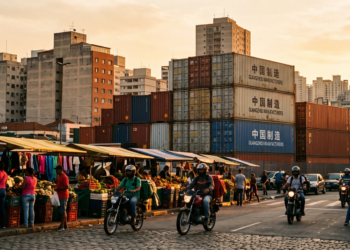
Image generated by AI

AsianFin -- China's auto industry took a rare and coordinated step toward rebuilding supply chain confidence on Tuesday night, as several of the country's top automakers pledged to settle payments with suppliers within 60 days.
State-owned giants FAW Group, Dongfeng Motor, GAC Group, and Seres released nearly identical statements in quick succession, promising to shorten payment periods for small and medium-sized enterprises (SMEs)—a long-standing pain point in the sector. Hours later, BYD joined the chorus via its official Weibo account, and by the morning of June 11, major players like Geely, Chery, Great Wall, and Leapmotor had followed suit, signaling what appears to be an industry-wide shift in attitude toward overdue payments.

"This is unprecedented," said an employee at a South China-based parts manufacturer. "I've been in this business for years, and I've never seen so many automakers voluntarily address payment issues. It's like the whole industry just woke up."
In reality, the change is no spontaneous awakening. It's the result of mounting regulatory pressure. A State Council meeting in March ordered central state-owned enterprises to take the lead in ensuring payments to SMEs are made within 60 days by the end of 2025. That directive took on legal force with the June 1 implementation of revised "Regulations on Ensuring Payment to SMEs."
The swift alignment by automakers underscores both policy compliance and a recognition of shifting dynamics in an industry grappling with thinning margins, slower growth, and heavy capital expenditures tied to the electric and intelligent vehicle transition. But more than that, it reflects a deeper need to restore trust across a fragmented and financially strained supply chain.
Since late 2024, China's auto sector has entered a phase marked by low sales growth and heightened financial pressure. Intensifying competition, shrinking profit margins, and massive investment needs have strained automakers' liquidity. At the same time, trust within the supply chain has eroded, as long payment cycles force suppliers to prioritize clients with faster settlement terms.
"It's not about willingness—it's about survival," said an executive at a Tier 1 supplier to several independent automakers. "When payment cycles drag out too long, we simply have to cut off customers who can't pay on time."
For OEMs, then, shortening payment periods is more than regulatory box-ticking—it's a strategic move to signal financial discipline and rebuild fragile supplier relationships. It may even emerge as a new benchmark of what defines a "trusted" automaker in the eyes of the supply chain.
For many within China's automotive supply ecosystem, long payment delays are not the exception—they're standard operating procedure. According to a logistics federation report, the average accounts receivable turnover in the auto manufacturing sector exceeds 120 days—far longer than in other sectors like machinery or electronics.
"Back in the mid-2010s, 90-day terms were considered normal. In extreme cases, we saw 180 to 270 days," recalled an analyst close to the China Association of Automobile Manufacturers. "Some suppliers even waited over a year after delivering goods."
One supplier shared that during the pandemic, payment terms hit 360 days. "We still had to pay our workers and buy raw materials up front, so we survived by borrowing," they said.
The problem is systemic. Automakers delay payments to Tier 1s, who then delay payment to Tier 2s, who in turn pass the pressure to raw material providers. This "chain-style delay" disproportionately hurts smaller manufacturers at the bottom of the ladder, effectively pushing the financial burden upstream.
"This isn't about cash shortages—it's about liquidity management," one supplier complained. "Many carmakers just don't want to pay early. They're juggling dozens of suppliers, and small ones have no leverage."
The ripple effects of prolonged payment cycles extend well beyond accounting. For smaller suppliers, delayed payments mean strained cash flow, late payroll, and difficulties restocking inventory. In severe cases, it can threaten business continuity.
By halving standard payment periods from 120 to 60 days, the government aims to push more cash back into the supply chain and revive SME vitality. For larger Tier 1 and Tier 2 suppliers, the shift could alter long-standing power dynamics and financing strategies.
Historically, big suppliers negotiated better terms and even benefited from bill discounting—turning deferred payments into liquidity through financial instruments. But with a universal 60-day standard on the horizon, even these privileges may shrink. That said, larger players may benefit from a more standardized and transparent system, which aids risk control and compliance.
For OEMs, the policy shift presents a fundamental cash management challenge. Paying faster means higher near-term cash outflows, reducing flexibility for investments and working capital. One million-vehicle-per-year automakers may face tens of billions of yuan in upfront cash demands if they abandon the practice of "disguised financing" via delayed payments.
Moreover, compressing payment timelines will test internal processes—from procurement to contract execution to financial approvals—requiring upgrades in organizational efficiency.
"Commercial bills are just paper. Even if the payment term says 60 days, you may never see the money," said a Tier 2 supplier. "I'd rather they just say it's 180 days and be honest."
The widespread use of commercial bills creates a form of "credit inflation" in the industry—nominal payment terms are honored, but actual liquidity is unavailable, deepening risks for smaller firms.
Without improvements in the quality of payment methods, even shorter timelines may fail to restore confidence. As it stands, some OEMs still heavily rely on commercial bills, diluting the intended impact of the 60-day pledge.
The industry-wide embrace of shorter payment terms reflects a broader reckoning for China's automotive sector. Years of high leverage, brutal price competition, and liquidity stress have left many suppliers disillusioned. The old playbook—stretching payment terms to manage cash—has reached its limits.
Regulators have stepped in for two reasons: to relieve pressure on SMEs during a sluggish recovery, and to restore financial health across a strategically vital industry. Prolonged payment cycles not only suppress innovation but also expose OEMs to systemic credit risk.
Going forward, an automaker's reputation for honoring supplier payments is expected to become a key factor in supplier selection and cooperation. Financial discipline will be reflected in supplier risk assessments and will shape how automakers are positioned within global value chains.
For Chinese OEMs with international ambitions, standardizing payment terms is not optional—it's a prerequisite. In export markets, capital markets, and joint ventures, clear payment structures are fundamental to credibility.
Ultimately, the 60-day pledge marks more than a financial policy shift—it signals the start of a long-overdue rebuild of trust, cash flow discipline, and contractual integrity in China's auto supply chain. The companies that adapt quickest may find themselves better positioned to attract the most capable, innovative, and loyal partners in the years ahead.
更多精彩内容,关注钛媒体微信号 (ID:taimeiti),或者下载钛媒体 App